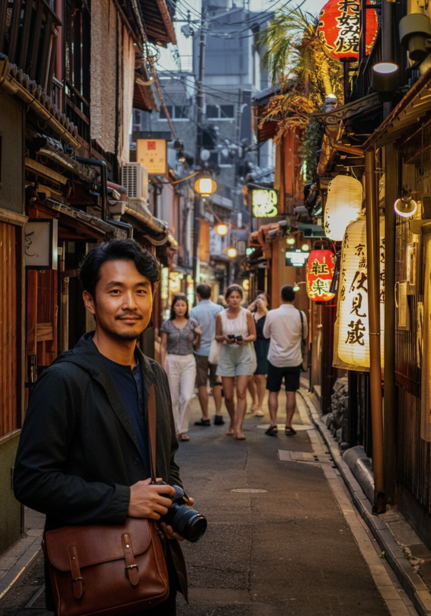
I first saw Pontocho in 2016. The narrow stone alley was barely two people wide. Red lanterns hung above me, each marked with a white plover. Wooden buildings leaned in from both sides. I walked slowly, looking at everything, understanding nothing.
That walk lasted maybe 20 minutes. I didn’t eat anywhere. But something clicked. This wasn’t just another tourist street. This was a place with its own logic, its own rules. I wanted to understand how it worked.
More about Pontocho:
What Makes Pontocho Different?
Pontocho is a narrow alley running from Shijo-dori to Sanjo-dori, one block west of Kamogawa River, packed with restaurants offering everything from inexpensive yakitori to highly exclusive establishments. Most guidebooks tell you that. They don’t tell you why that matters.
The area was originally a sandbar in the Kamo River, reclaimed through embankment work in 1670. The government created new land, and that land became an entertainment district. The first ochaya tea houses opened in 1712, and a century later the street received an official license to become one of Kyoto’s hanamachi—a district where geisha communities lived and worked.
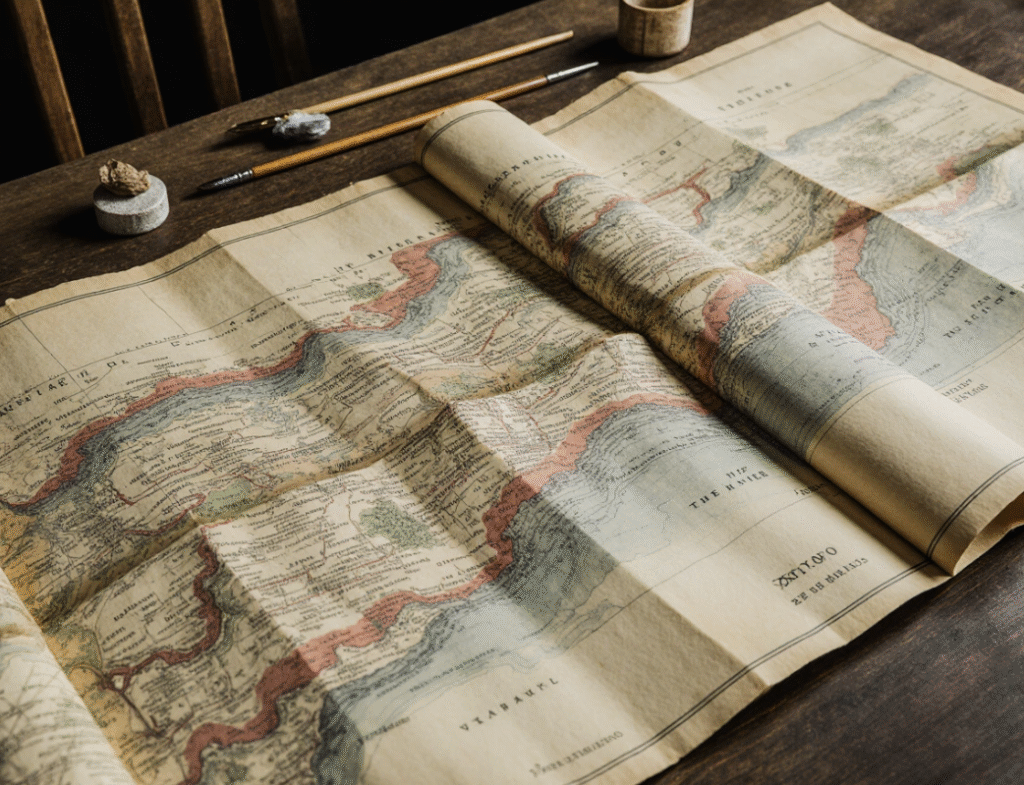
That 350-year history shapes everything about Pontocho today. The narrow width wasn’t a design choice—it was the natural result of filling in land between two rivers. The exclusive tea houses requiring introductions aren’t being difficult—they’re following customs that kept them alive for three centuries.
When I Decided to Create This Website
By 2018, I’d visited Pontocho six times. Each trip taught me something new. The kawayuka platforms that restaurants build over the river from May to September? Reservations fill three weeks ahead for weekend dinners. The northern entrance at Sanjo? Always quieter than the southern entrance at Shijo.
I was eating yakitori one evening, watching tourists walk past my window. A couple stopped to check their phones. They looked confused, then frustrated. They’d assumed Pontocho was easy—show up, pick a restaurant, eat. They didn’t know most places require reservations. They didn’t know which establishments accept foreigners and which don’t.
I thought about all the information I’d collected over two years. The patterns I’d noticed. The mistakes I’d watched visitors make. Nobody was explaining how Pontocho actually functions in 2025. The historical articles were too academic. The restaurant lists were too shallow.
That’s when I decided to build this site.
What Living Near Pontocho Taught Me
I moved to Nakagyo Ward in 2019, twelve minutes from the alley. That changed my perspective completely. I stopped being a visitor and became an observer.
I saw the district transform with the seasons. Summer brought the yuka platforms built next to the Kamo River that make for a singular dining experience. Spring meant the annual Kamogawa Odori dances in May at Kaburenjo Theater, featuring the district’s geisha and maiko apprentices in lavish costume. Winter cleared out the crowds and revealed the neighborhood’s real rhythm.
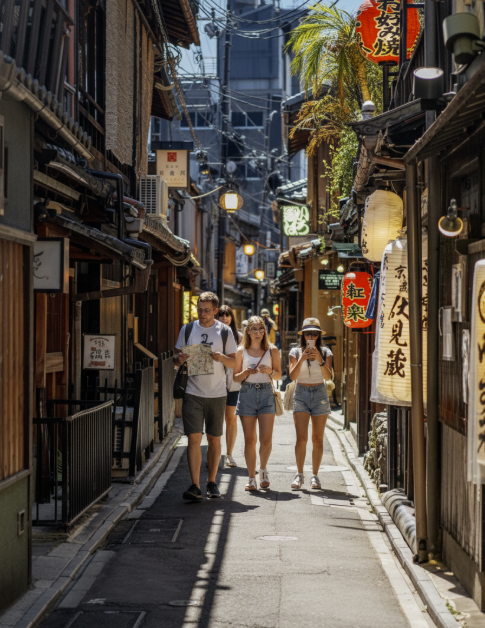
I also learned about trade-offs. Choosing Pontocho means accepting you’re in a tourist area, despite the authentic architecture. Prices range from very affordable to very upscale, but you’ll rarely find local bargain prices. The eastern side facing the river costs 30-40% more than the western side, even when the food quality is identical.
Most tourists visit Pontocho on Friday evening expecting to walk into any restaurant. The district runs on reservation culture. Book ahead or accept you’ll choose from whoever has space, not your wish list.
How Pontocho Changed From Sandbar to What We See Today
Understanding Pontocho requires understanding its path. In 1670, this was just reclaimed land from river embankment work. It could have become warehouses. It could have stayed empty. Instead, it evolved into entertainment.
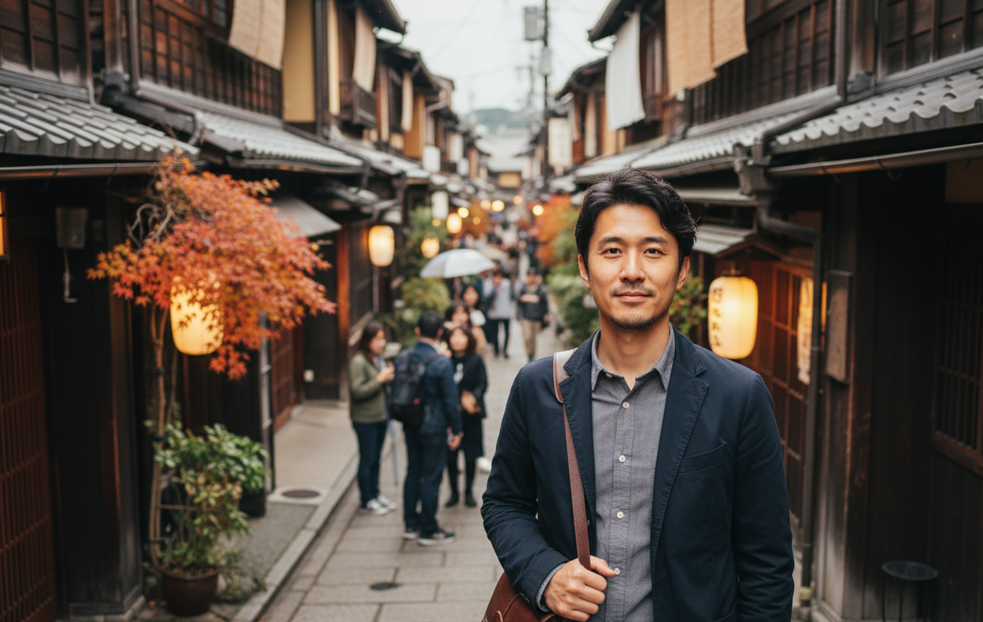
The path wasn’t predetermined. Pontocho became a place to rest and entertain travelers and merchants who traveled upstream on flat-bottomed boats. Location mattered—right next to the river where boats stopped. Timing mattered—the Edo period’s appetite for entertainment districts was growing.
By 1859, geisha operations were officially permitted. The district had found its identity. But that identity keeps shifting. In recent years, Pontocho has become more of a gourmet spot with various restaurants rather than just a geisha and maiko district. The preservation looks backward. The business model looks forward.
| Aspect | Historical Pontocho (1670-1950) | Modern Pontocho (2000-2025) |
| Primary Function | Entertainment district for travelers and merchants | Mixed dining and entertainment district |
| Accessibility | Introduction-based ochaya system | Mix of reservation-required and walk-in restaurants |
| Price Range | Exclusive establishments only | ¥2,000 yakitori to ¥25,000 kaiseki |
| Tourist Presence | Minimal international tourism | Major international destination |
| Infrastructure | Traditional only | Traditional facades, buried electric cables since 2021 |
When Pontocho Isn’t the Right Choice
I need to be direct about this. Pontocho doesn’t work for everyone.
If you want “authentic” Kyoto without tourists, look elsewhere. Pontocho offers a Kyoto atmosphere where locals spend their evenings, but it’s still a tourist destination. The alley fills with visitors every evening.
Budget travelers will struggle. Many restaurants have minimum orders or assume groups of two or more. The atmospheric evening lighting costs money—you’re paying for ambiance as much as food.
Families with young children should reconsider. The narrow alley gets packed after 6 PM. Most restaurants aren’t designed for children. The late-night focus doesn’t match family schedules.
Accept what Pontocho is—a preserved entertainment district that balances tradition with tourism—and the experience improves dramatically.
What This Website Provides
After building hundreds of travel sites, I know the templates. History paragraph, restaurant list, transport directions, done.
This site takes a different approach. I map the practical mechanics: which entrance to use depending on time and hotel location, what “reservation required” means in Japanese restaurant culture, why eastern versus western side matters for pricing, how to identify which places welcome tourists.
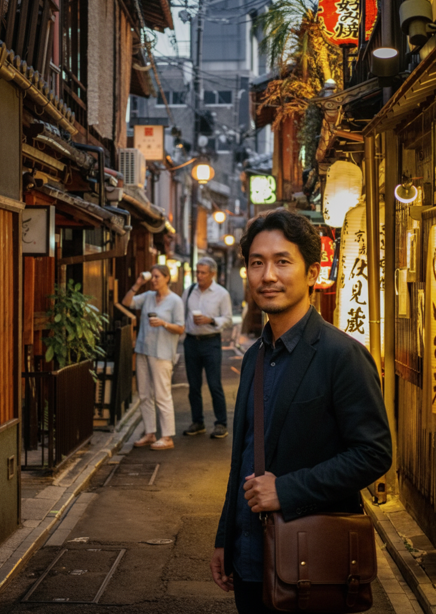
I also provide context other sites skip. Like what special preservation area status means—elegant traditional wooden buildings with red lanterns bearing the district’s emblem of a white plover, and how preservation rules affect visitor experience. Or how the evolution from exclusive geisha entertainment to mixed-use dining represents changes across Kyoto’s historic areas.
For comprehensive official information about Pontocho, visit the Japan National Tourism Organization or Kyoto Travel Guide.
The Real Reason I Built This
Here’s the truth: I was tired of watching travelers get Pontocho wrong.
Not wrong in a gatekeeping sense. Wrong in that they arrived with expectations the district couldn’t meet. They wanted isolated authenticity in a place that’s been commercial entertainment for 300 years. They wanted budget prices in a preservation zone where landlords can’t demolish buildings for cheaper alternatives. They wanted spontaneous dining in a culture built around reservations.
I’m not defending Pontocho’s limitations. I’m trying to close the gap between imagination and reality. This website succeeds if it helps someone decide Pontocho isn’t right for their trip and choose better, or if it helps someone arrive prepared for the actual experience.
Think of this as the conversation I wish I’d had before my first visit. Someone explaining, simply and honestly, how Pontocho works. No romanticizing. No cynicism. Just clear information for deciding if this narrow, lantern-lit alley is worth your time.
After eight years of returning, I believe it is—but only if you know what you’re walking into.